

SR BioPharma has focused on non-invasive approaches to persistent hrHPV infection for more than two decades. Through sustained research into HPV infection and virus–host interactions, the Group developed its proprietary Molecularly Targeted Anti-HPV Technology and translated it into the REBACIN® product portfolio.
Research on REBACIN® supports a device-led, dual-action approach: physical intervention against extracellular HPV as the primary mode of action, complemented by biological regulation of intracellular HPV E6/E7 expression.
A Device-Led Approach: Acting First on Extracellular HPV
Following local administration, REBACIN® forms an adhesive protective layer over the vaginal and cervical mucosa. Its functional components physically adsorb extracellular HPV particles, reduce virus–cell contact, and help inhibit viral entry.
Beyond Extracellular HPV: E6/E7 Regulation
As persistent hrHPV infection also involves infected epithelial cells, research has explored the ancillary biological activity of the AHP natural protein complex in REBACIN®. Studies indicate its function of regulating high-risk HPV oncogene expression, including HPV16/18 E6/E7.
Together, these findings support intervention at two complementary levels:
Extracellular HPV — Physical Intervention
Mucosal coverage → HPV adsorption → reduced virus–cell contact → inhibited viral entry
HPV-Infected Cells — Ancillary Biological Regulation
Local biological activity → E6/E7 regulation → support for hrHPV clearance
Building on earlier clinical observations, a registration clinical rial was conducted at Peking Union Medical College Hospital and Hainan General Hospital from November 2014 to November 2015. REBACIN® achieved an overall response rate of 81.82% vs. 63.16% for the control product and an HPV clearance rate of 54.55% vs. 18.42%, respectively. No device-related adverse reactions or clinically significant irritation were reported, with good participant compliance.
Subsequently, a large-scale, prospective, multicenter real-world study evaluated REBACIN® in women with high-risk HPV infection across 239 medical institutions in 21 provinces and regions in China, with 4,539 cases included in the overall real-world database. Supportive Per-Protocol Set (PPS) analysis showed consistent findings, with HPV clearance rates of 60.64% in the REBACIN® group vs. 20.08% in the control group.
The real-world study also demonstrated favorable tolerability and safety, further supporting the clinical performance and benefit–risk profile of REBACIN® as a local, non-invasive approach to the management of persistent high-risk HPV infection.
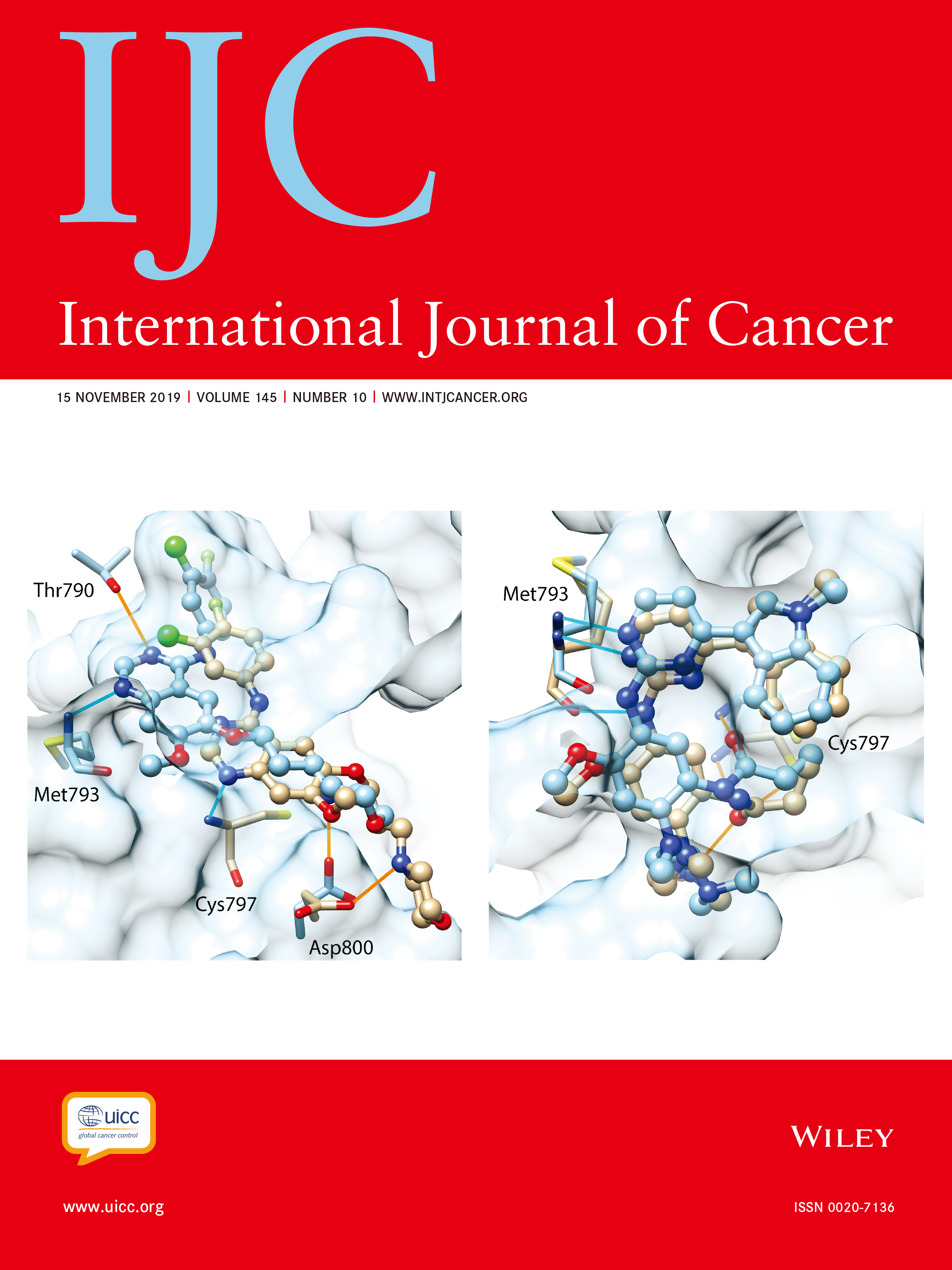
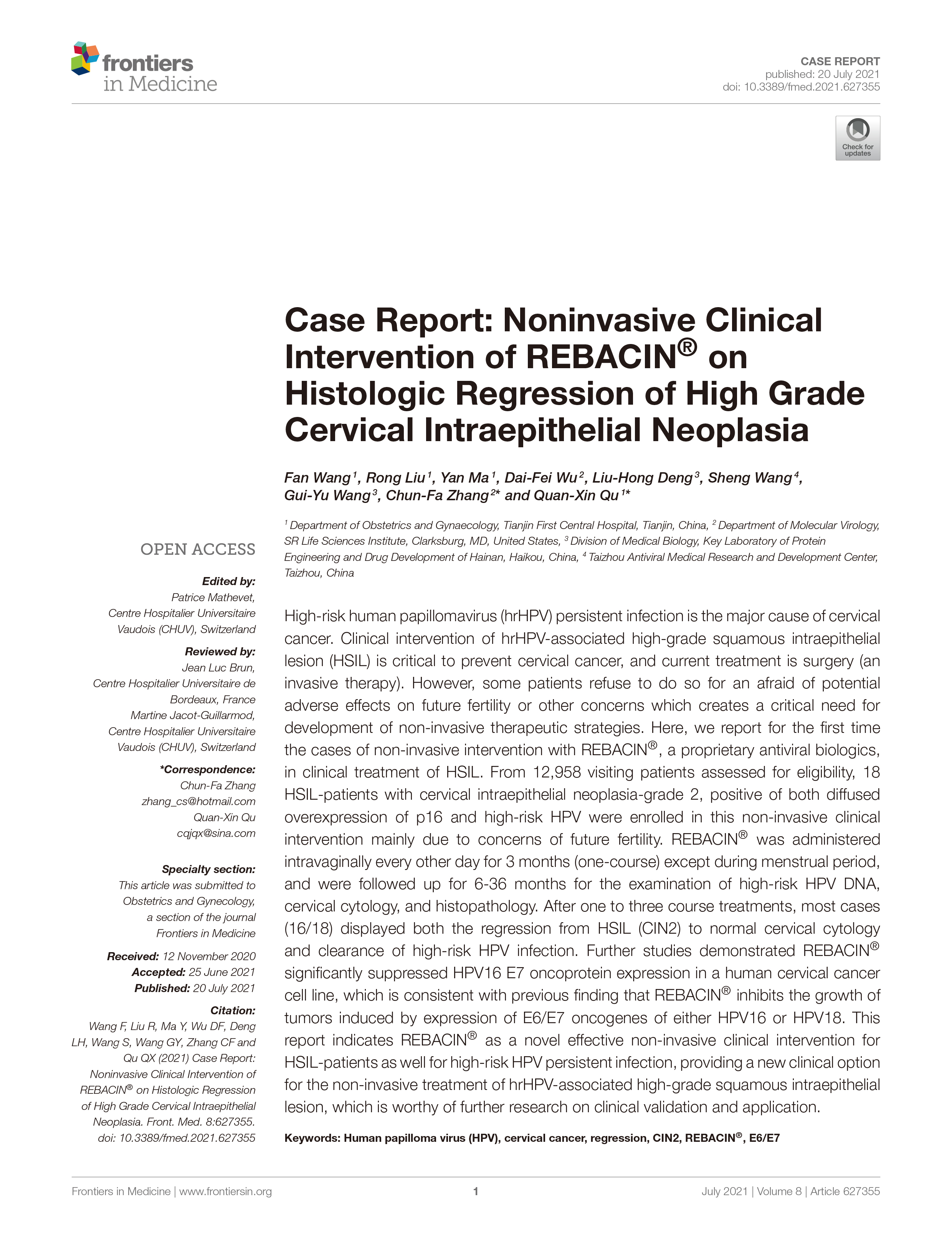
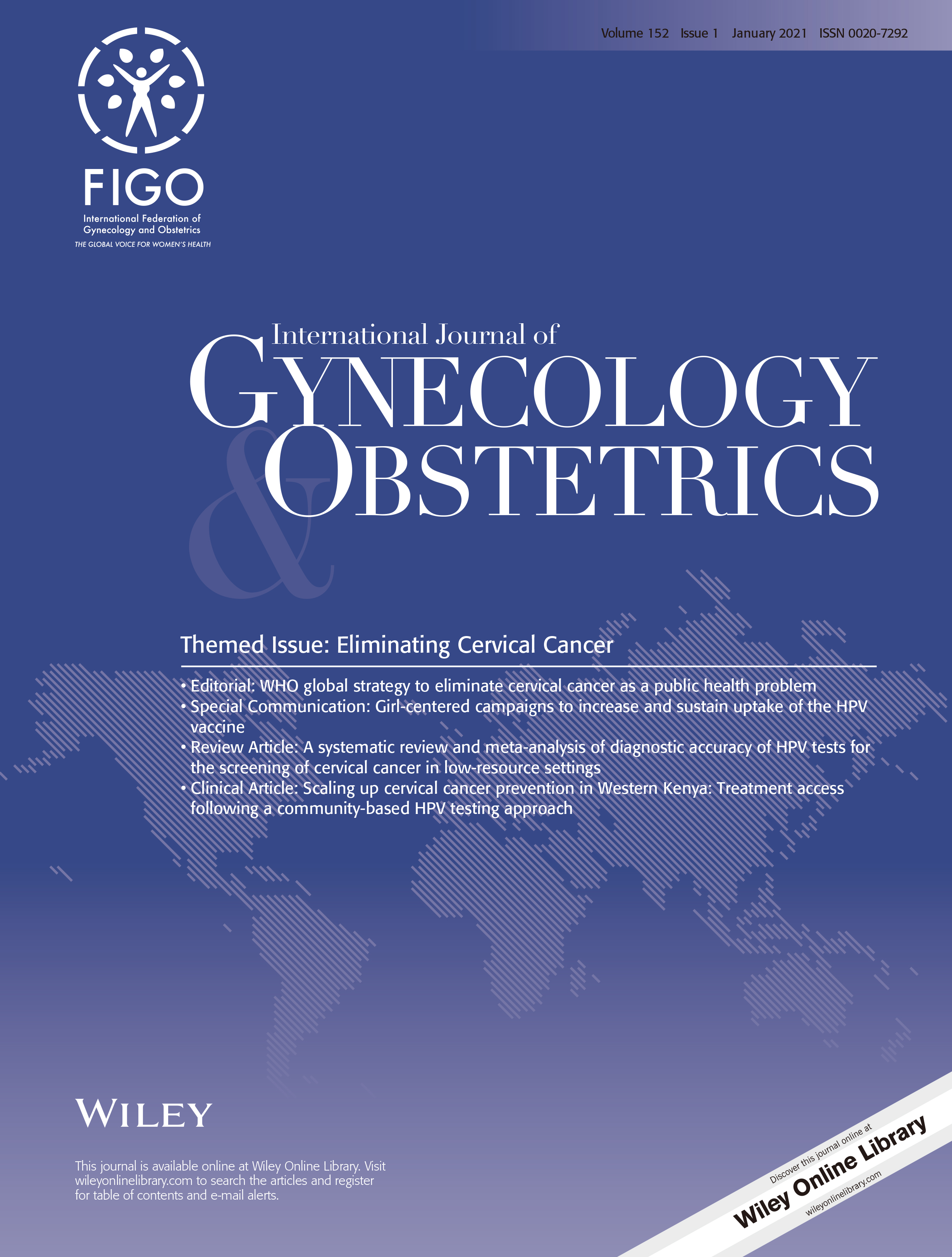
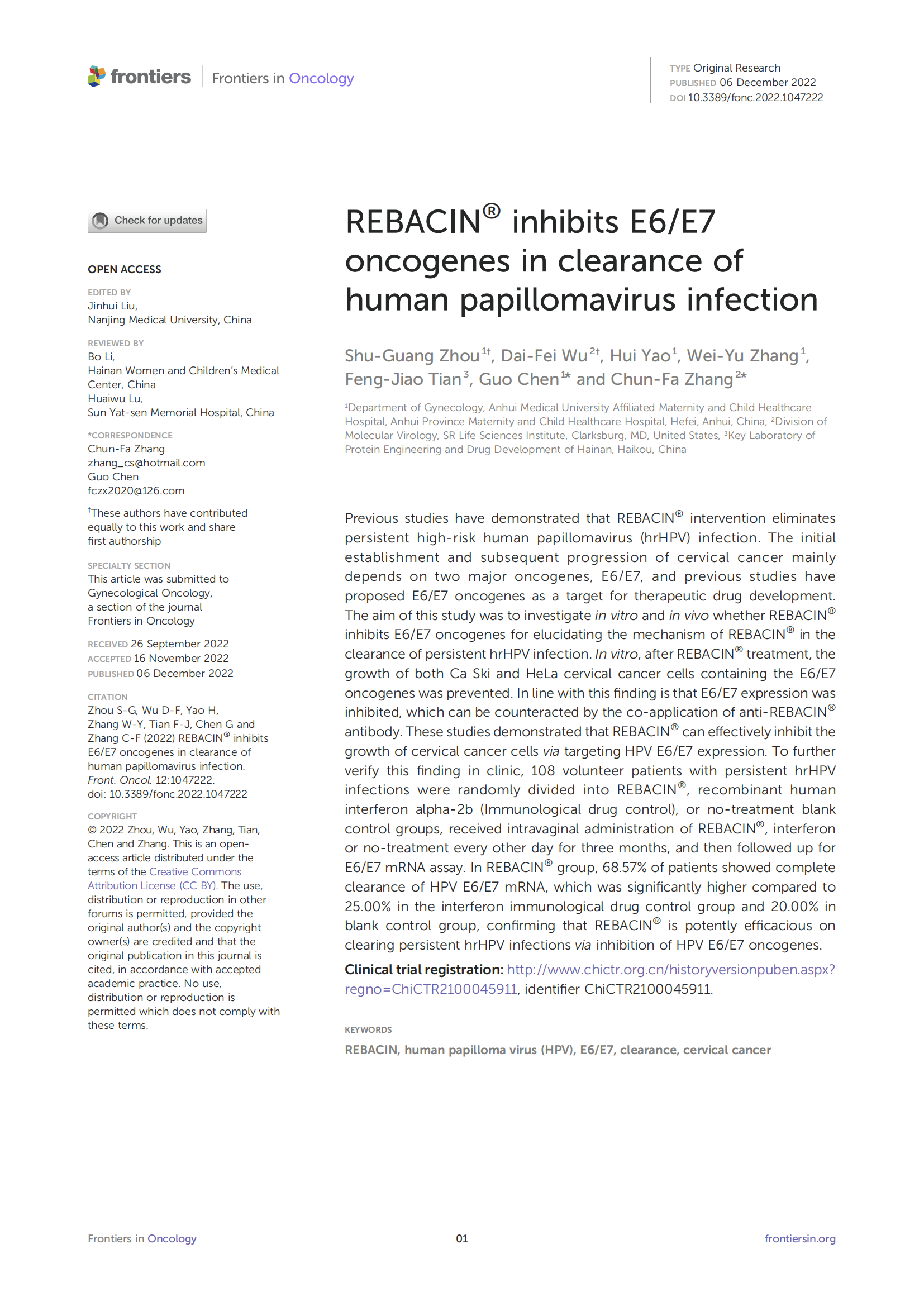
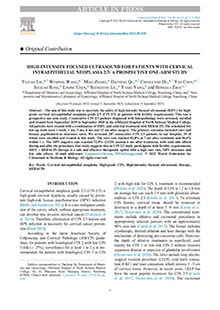
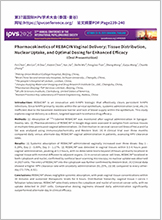
37thTime:2025 10.23~10.26 | Venue: Bangkok, Thailand page:239-240
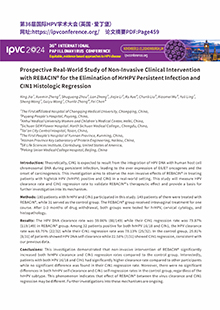
36thTime:2024 11.12~15 | Venue: Edinburgh, UK page:459
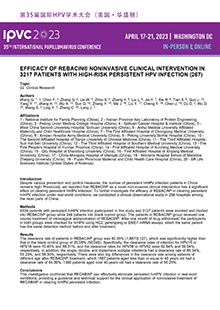
35thTime:2023 4.17~21 | Venue: Washington, D.C., USA page:719-720
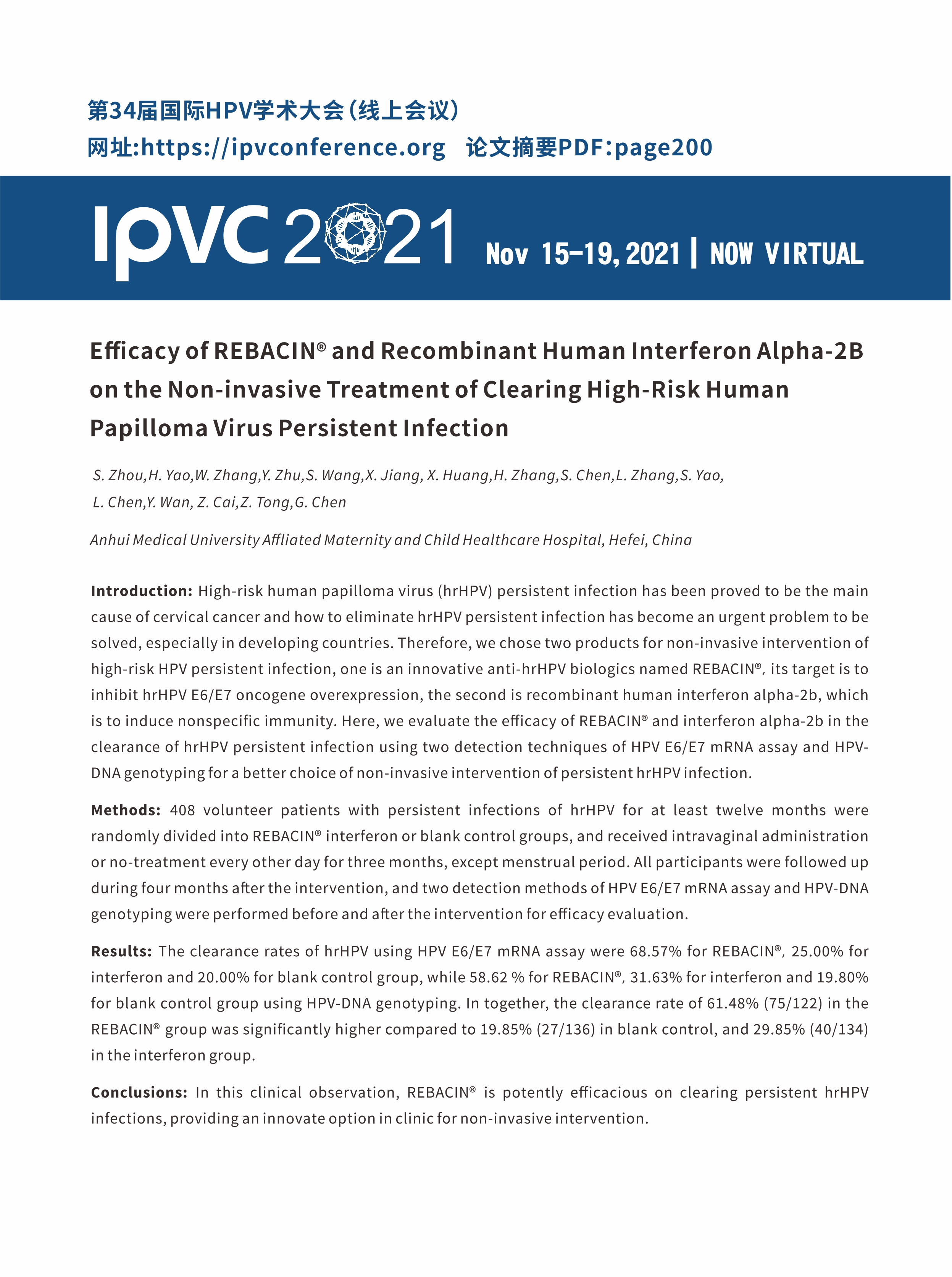
34thTime:2021 11.15~19 | Venue: Toronto, Canada (virtual) page:200
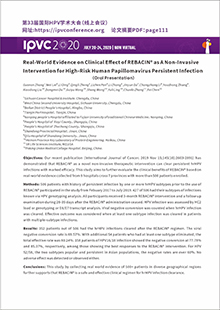
33rdTime:2020.7.20~24 | Venue: Barcelona, Spain (virtual) page:111、972
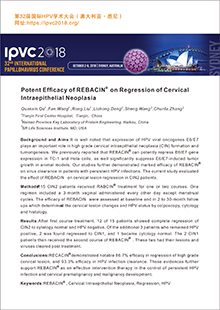
32ndTime:2018.10.2~6 | Venue: Sydney, Australia page:1180
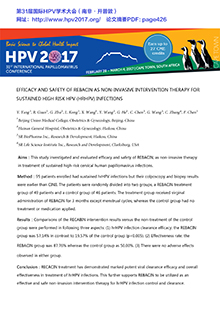
31stTime:2017.2.28~3.4 | Venue: Cape Town, South Africa page:426
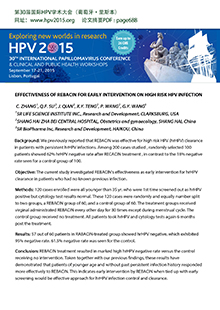
30thTime:2015.9.17~21 | Venue: Lisbon, Portugal page:688
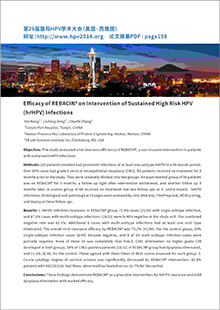
29thTime:2014.8.20~25 | Venue: Seattle, USA page:198
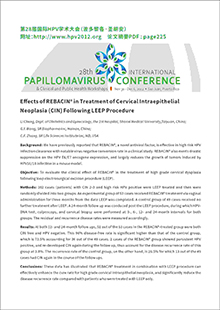
28thTime:2012.11.30~12.6 | Venue: San Juan, Puerto Rico page:225
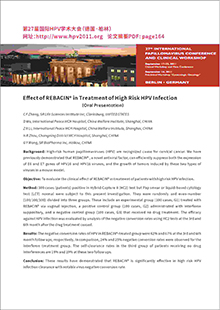
27thTime:2011.9.17~22 | Venue: Berlin, Germany page:164
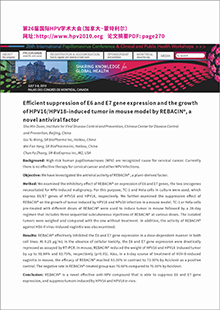
26thTime:2010.7.3~8 | Venue: Montreal, Canada page:270